66 Flat Woven Fabric Texture Backgrounds for Timeless Design
There's a certain quiet confidence that comes with natural materials. It's the feel of a well-worn linen shirt, the subtle texture of a handmade paper, the understated elegance of a canvas tote bag. In the digital world, achieving that organic, tactile quality can be challenging. This is where a carefully curated collection of Flat Woven Fabric Texture Backgrounds becomes an indispensable asset. More than just a pattern, these textures offer a foundational layer of depth, warmth, and authenticity to any creative project.
Understanding the Quiet Power of Flat Woven Textures
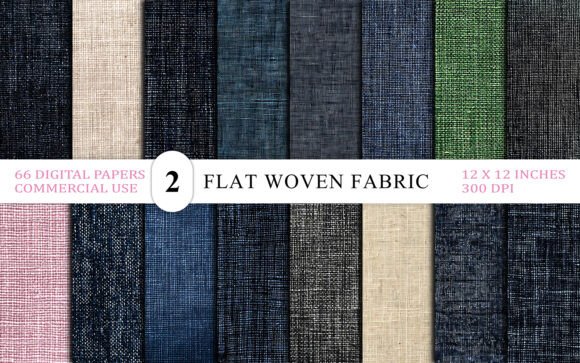
A flat woven fabric texture, by its very nature, is defined by its uniformity and subtlety. Unlike heavily textured burlap or a plush velvet, it presents a consistent, cross-hatched surface that reads as a clean, sophisticated backdrop. The 66 Flat Woven Fabric Texture Backgrounds in this bundle are designed to emulate high-quality linen cloth. The key visual characteristics are their seamless repetition, the absence of distracting wrinkles or folds, and the elimination of harsh, unrealistic shadows. This creates a neutral field that doesn't compete for attention but instead enhances the subject placed upon it.
The personality of these textures is versatile. A light linen background suggests clarity, openness, and a Scandinavian-inspired minimalism. A dark fabric texture, perhaps in charcoal or deep navy, conveys sophistication, depth, and modernity. A dusty rose or terracotta texture introduces a specific mood—earthy, warm, and inviting. This range allows the texture to adapt its emotional resonance based on the color palette chosen, making it a truly flexible design asset.
Practical Applications: From Digital Screens to Printed Goods
The true value of a resource like this aesthetic fabric bundle is measured in its utility. Its applications span the entire spectrum of creative and commercial work, solving specific problems with elegance.
- Branding & Identity: For brands rooted in authenticity—think artisanal foods, organic skincare, boutique hospitality, or sustainable fashion—a woven background instantly communicates core values. Use it behind a logo mockup, as a texture for business card designs, or as a consistent background for social media profiles to build a recognizable and trustworthy brand identity.
- Publishing & Editorial Design: In print and digital publishing, these textures excel. They make perfect backgrounds for website hero sections, blog post headers, or quote graphics. For editorial layouts, a subtle linen texture can add a layer of tactile interest to pull quotes, chapter openers, or magazine spreads without overwhelming the typography.
- Packaging & Product Presentation: Packaging fabric design is a direct application. These textures can be used to create labels, hang tags, or box designs that feel premium and crafted. For e-commerce, placing product photos on a clean, flat woven surface provides a professional, cohesive look that elevates the perceived value of the item, making it ideal for product showcase backgrounds.
- Digital & Social Media: Content creators and marketers need visuals that stop the scroll. A minimal texture pack like this provides the perfect foundation for Instagram stories, Facebook ads, Pinterest pins, and YouTube thumbnails. The consistency of having 66 unique yet related options ensures your visual content remains cohesive while avoiding repetition.
- Personal & Craft Projects: For scrapbookers, card makers, and hobbyists, this is a digital scrapbooking texture goldmine. The high-resolution, print-ready fabric files are perfect for creating custom stationery, photo album backgrounds, or party invitations with a handmade feel.
Integrating Texture into Your Creative Workflow
Simply having a bundle of textures is one thing; using them effectively is another. Here’s how to approach them as a professional would.
Evaluating Fit and Readability: The primary function of a background is to support, not hinder, the foreground content. When selecting a texture from the woven background pack, always test it with your primary text and imagery. A highly detailed, low-contrast texture might make small body text difficult to read. In such cases, you might use the texture only in margins, as a border, or apply a subtle overlay to mute its intensity. The goal is to maintain clear visual hierarchy.
Font Pairing and Hierarchy: The choice of typeface dramatically changes the texture's effect. A clean, geometric sans serif font paired with a light linen background creates a modern, airy feel perfect for a tech startup or a contemporary blog. A classic serif font with a darker, richer texture evokes tradition and authority, suitable for a law firm or a luxury brand. Don't shy away from a script font or handwritten font for accents—the organic nature of the woven texture complements these styles beautifully, adding to the handmade aesthetic.
Technical Considerations for Quality: The specifications of this bundle are built for professional use. The 3600×3600 pixel dimensions at 300 DPI mean these are high-resolution files suitable for large-format printing without pixelation. The JPG format is universally compatible and optimized for both web and print. As commercial use ready assets, they can be incorporated into client work, products for sale, and marketing materials without licensing concerns, which is a critical factor for entrepreneurs and agencies.
Building a Cohesive System: Don't just use one texture in isolation. With 66 options, you can create a system. Assign specific textures to different content pillars, product lines, or campaign themes. This approach uses the woven design texture collection to create visual variety while maintaining a strong, recognizable aesthetic—a powerful tool for building audience recognition over time.
In essence, this collection of Flat Woven Fabric Texture Backgrounds is less about decoration and more about foundation. It provides the subtle, organic framework that allows other design elements—typography, color, photography—to shine. By understanding its characteristics and applying it thoughtfully across your projects, you inject a layer of professionalism, warmth, and timeless appeal that purely digital backgrounds often lack. It's a tool for creating work that feels considered, authentic, and inherently human.